
Loading...
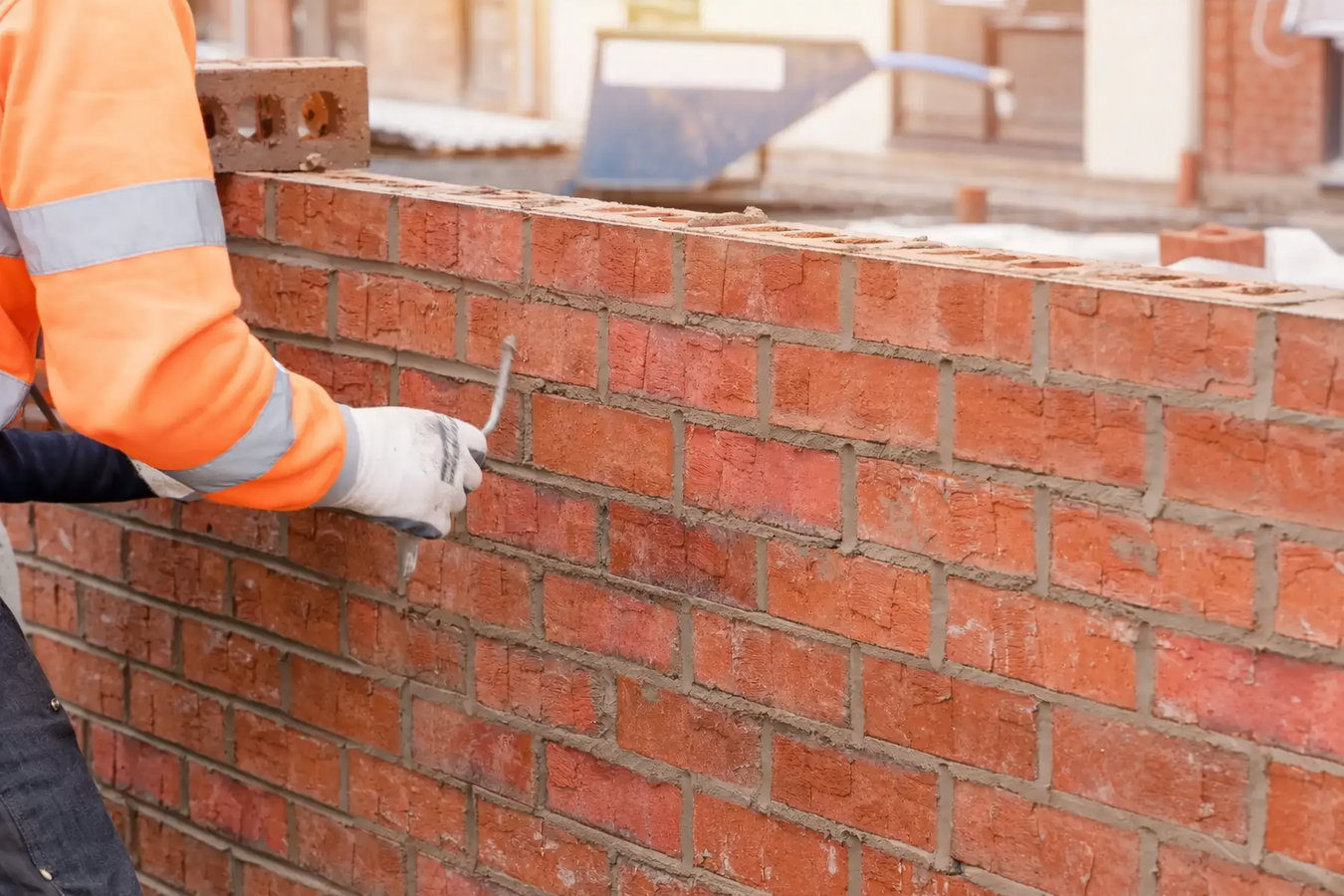
Failing mortar joints let water into your walls every wet season. We remove the old mortar, match the mix to your brick type, and pack the joints solid - so your walls are sealed before the next storm arrives.
Brick pointing in Hayward means removing crumbling or missing mortar between bricks to a consistent depth and packing in fresh mortar matched to the brick type - most single-wall or chimney jobs take one to two days and cost $800 to $2,500 depending on the area and scaffold access.
Mortar is designed to wear out before the bricks do - it absorbs stress so the bricks themselves do not crack. In Hayward, that process is accelerated by the wet-dry seasonal cycle, micro-tremors from the Hayward Fault, and the age of the housing stock. A significant portion of Hayward's brick buildings date from the 1920s through 1960s, and the mortar in those walls has often been working for 60 to 80 years. When mortar fails, water finds its way in every winter, and the damage compounds.
If your wall has brick that is spalling or cracking rather than just failing mortar joints, that points toward a deeper issue - often covered under foundation repair or structural assessment.
Run your finger or a key along the joints between your bricks. If the material flakes, crumbles, or comes away easily, the mortar has lost its binding strength. Healthy mortar should resist light pressure - if it does not, water is already finding its way in, and Hayward's next rainy season will make it worse.
Hayward's long, dry summers cause mortar to shrink slightly, and thin cracks often appear along the joints by late September. These hairline cracks are easy to dismiss, but they are the entry point for winter rain. Catching them before the rainy season is the most cost-effective time to act - once water has cycled through them all winter, the joints deteriorate much faster.
Chimneys take more weather exposure than any other brick surface on your home and are usually the first place mortar fails visibly. If the mortar looks sunken below the brick face, darker than the surrounding bricks, or has visible gaps, repointing is overdue - and a leaking chimney can cause interior water damage that costs far more to fix than the repointing itself.
White, chalky streaks on brick - called efflorescence - are caused by water moving through the wall and pulling mineral salts to the surface. It is not just cosmetic. It tells you water is already getting behind the brick, which almost always means mortar joints have failed somewhere. This is a clear signal to act before the next wet season.
We handle mortar joint restoration on brick walls, chimneys, retaining walls, and foundation walls throughout Hayward. Every job starts with an on-site inspection of the joint condition and the brick type, because the mortar mix has to be matched to your specific wall - older Hayward homes built before 1960 often need a softer, lime-based mix that will not crack the original brick. We remove old mortar to the correct depth using a grinder or chisel, pack fresh mortar in layers, tool the joint surface to match the original profile, and clean mortar residue off the brick faces before leaving the site.
For walls where the brick itself has also been damaged, we combine repointing with tuckpointing to restore both the structural seal and the finished appearance. When failing mortar has allowed water to reach deeper into the structure, we assess whether foundation repair is also needed before we close up the joints.
Suits homeowners whose chimney mortar has recessed or cracked and who want to stop water intrusion before interior damage occurs.
For homes where large sections of wall mortar have failed and water is visibly staining or entering the brick.
Best for older Hayward properties where mortar failure on a structural wall has reached the point of compromising water resistance.
Hayward gets most of its rain between November and March, and failing mortar joints that are open when those storms arrive let water into your walls every single season. The wet-dry cycle that Hayward's climate creates - soaking rains followed by a long, dry summer - is one of the main reasons mortar wears down faster here than in more temperate climates. On top of that, the Hayward Fault produces frequent micro-tremors that gradually stress mortar joints in ways that residents never feel but that show up over time as widening cracks and recessed joints. Homes in Hayward's older flatland neighborhoods - built from the 1920s through the 1960s - are especially likely to have brick or masonry with mortar that is approaching or past the end of its service life.
We work throughout the area, including homeowners in San Leandro and Oakland, where the same aging housing stock and Bay Area climate conditions create the same pattern of mortar wear. For California homeowners, the Contractors State License Board provides a free license check tool so you can verify any contractor you are considering before signing anything.
We respond within 1 business day. Tell us what type of structure it is - chimney, wall, or retaining wall - and roughly how much area needs attention. We will schedule a time to come look at it in person, because an accurate quote requires seeing the joint condition up close.
We inspect the mortar joints, check the brick condition and age, and assess access - whether scaffolding or a ladder is needed. If your home was built before 1960, we note the brick type to match the mortar correctly. You receive a written estimate before any work is scheduled.
Before work begins, clear the area around the wall. The crew lays drop cloths to catch debris, then carefully grinds or chisels out the old mortar to a consistent depth. This is the noisiest part of the job - keep windows on that side of the house closed.
Fresh mortar is packed in layers, tooled to match the original joint profile, and cleaned off the brick faces. New mortar reaches working strength in 24 to 48 hours - avoid pressure washing or directing sprinklers at the wall for at least a month. We walk through the finished work with you before leaving.
Free written estimate. We visit your property, inspect the mortar condition in person, and give you a clear price before any work begins. No obligation.
(510) 826-4844Using the wrong mortar mix on older Hayward bricks can crack the brick itself. We test the existing mortar and select a mix - including lime-based mixes for pre-1960 walls - that is softer than the brick so it absorbs stress rather than transferring it. This protects the bricks and extends the life of the repair.
We work in Hayward, San Leandro, Oakland, Berkeley, and eight other communities across the East Bay. That breadth means we see the same aging housing stock and Bay Area climate conditions regularly - experience that directly informs how we approach every repointing job in older neighborhoods.
Hayward sits on an active fault, and micro-tremors are a real factor in how quickly mortar joints open up here. We select mortar mixes with appropriate flexibility for the seismic environment - not just a standard mix - so the finished joints hold up through the minor ground movement that is part of life in this area.
California requires masonry contractors to hold a valid CSLB license, and homeowners can verify ours in minutes on the state license board website. A current license means the contractor carries required insurance and bonding - protection for you if anything goes wrong during or after the job.
Every brick pointing job we do in Hayward starts with the right mortar for that specific wall - not a generic mix applied the same way regardless of the brick or the building. That detail is what separates a repair that lasts 25 years from one that needs attention again in five.
Address cracks at the structural level before water intrusion through failing mortar joints reaches your foundation.
Learn moreRestore the appearance and watertight seal on decorative brickwork using color-matched two-layer mortar finishing.
Learn moreHayward's rainy season starts in November - act now while scheduling is open and mortar curing conditions are still good.