
Loading...
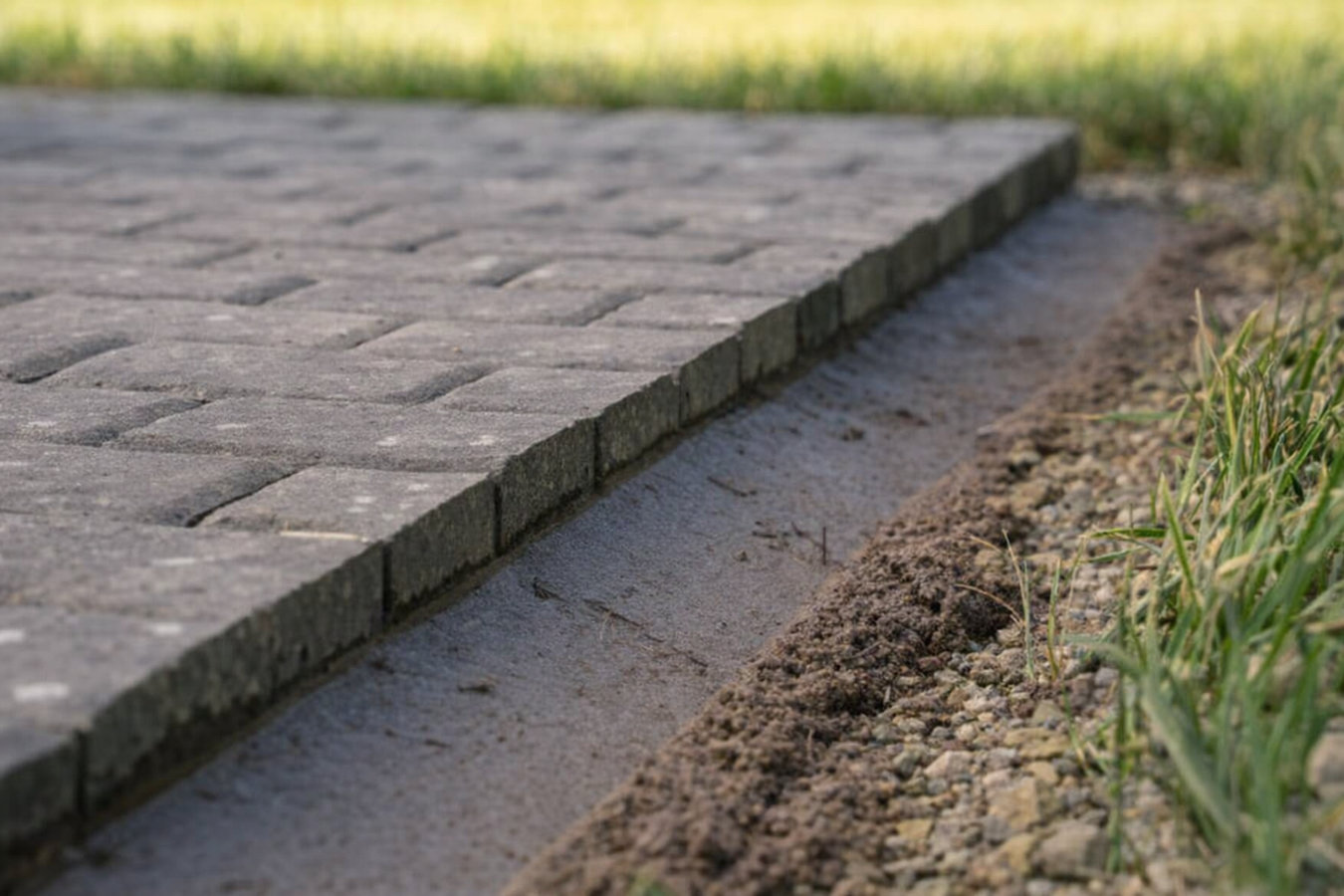
Cracked, uneven walkways are a trip hazard and an eyesore. We build concrete, brick, and paver paths designed for the clay soils and seismic conditions unique to Hayward.
Walkway construction in Hayward means removing whatever is there now, preparing a compacted gravel base designed for local clay soils, and installing the surface you choose - most residential paths take one to three days of active work depending on length and material.
If your current path is cracked, uneven, or more than 40 years old, the problem is almost certainly in the base, not just the surface. Hayward homes built in the 1950s through 1970s often have original walkways that have been through decades of wet-dry cycles, and the clay soil underneath has been moving with every season. Patching the surface buys a little time but does not fix the cause.
Many homeowners who replace a walkway also look at driveway pavers at the same time, finishing the whole front exterior in one coordinated project.
If you have patched the same crack two or three times and it keeps coming back, patching is no longer the answer. In Hayward, this pattern is usually caused by clay soil expanding and contracting with the seasons - the surface is reacting to movement below it, and no filler will stop that. A full replacement with a properly prepared base is the only lasting fix.
Walk your path slowly and notice if any section feels higher or lower than the ones around it. Uneven surfaces are a trip hazard - and in Hayward, they often signal that the clay soil underneath has shifted or that tree roots have pushed up from below. If you can feel the unevenness through your shoes, it is time to call someone.
After a winter rain, watch where the water goes. If it sits on your walkway instead of draining off to the side, the surface has settled unevenly or was never graded correctly. Standing water speeds up deterioration and becomes a slipping hazard during Hayward's rainy season.
Hayward has a lot of homes built in the 1950s through 1970s, and many original walkways are still in place. Concrete from that era was typically poured thinner than today's work. After four or five decades of clay-soil movement and seasonal rain, it is often more cracked than intact - even if it looks passable from a distance.
We build new walkways from the ground up - removing the old surface, excavating to the right depth, compacting a gravel base that accounts for Hayward's clay soils, and installing your chosen material. We handle any required City of Hayward encroachment permits when the path connects to the public sidewalk, so you do not have to figure out which office to call. All estimates are written and itemized before any work begins, covering demo, haul-away, base prep, materials, and labor.
We also coordinate walkway work alongside brick wall installation for homeowners who want a defined border along the path, or alongside driveway pavers to complete the entire front exterior in one project without managing separate contractors.
Best for homeowners who want the lowest upfront cost and a low-maintenance surface that handles foot traffic well.
Suits homeowners who want individual pieces that can be reset after soil movement without disturbing the whole path.
For homeowners who want a distinctive, long-lasting surface and are willing to invest in skilled hand-setting.
Most of the walkway failures we see in Hayward trace back to the same cause: not enough base preparation for the local soil. Clay-heavy soils underneath much of the city swell in the wet season and shrink in the dry season, and that constant movement is what cracks and shifts walkway surfaces over time. A deeper compacted gravel base - more than you would need in a dryer, less clay-heavy area of California - is what keeps a new walkway level through that cycle. Hayward also sits directly on the Hayward Fault, which is a genuine local reason why many homeowners choose brick or paver paths over poured concrete. Interlocking materials flex and resettle after ground movement rather than fracturing, as the USGS notes about the Hayward Fault zone.
We work with homeowners across the area, including those in Newark and Fremont, where the same East Bay clay-soil and aging concrete conditions apply. If your walkway connects to the public sidewalk, the City of Hayward Public Works Department may require an encroachment permit before work begins - we handle that check as part of every project.
We respond within 1 business day. Tell us roughly how long and wide the path is and whether there is an old surface to remove - that is enough to schedule a site visit. No commitment required.
We measure the area, check drainage and slope, and note anything that affects the job - such as tree roots, a sidewalk connection, or soft soil. You receive a written estimate covering every line item: demo, base prep, materials, permit fees if needed, and labor.
If the path connects to the city sidewalk, we handle the encroachment permit with Hayward Public Works. Once permits are confirmed and you have approved the estimate, we schedule your start date.
We remove the old surface, excavate to depth, compact gravel in layers, and install your chosen material. Before leaving, the crew walks the finished path with you - that is the easiest time to point out anything that needs adjusting.
Free written estimate. No pressure. We handle the permit check for you.
(510) 826-4844We excavate deeper and use more compacted gravel base material than contractors working off a one-size standard. That extra base depth is what keeps walkways in Hayward neighborhoods from cracking within a few years of installation.
Every line item is on paper before work starts - demo, haul-away, base prep, materials, and labor. If something unexpected comes up during demolition, we call you before doing anything that changes the total. You pay what you agreed to.
The City of Hayward requires an encroachment permit when a walkway connects to the public sidewalk. We check this for your address, submit the application to Public Works, and handle follow-up - you do not need to contact any city office.
We work regularly across Hayward's flatland and hillside neighborhoods and in surrounding cities. Local contractors who know the Harder-Tennyson, South Hayward, and Mt. Eden areas understand the specific soil and drainage conditions - that local knowledge matters on every job.
When you combine proper base preparation with a contractor who knows Hayward's soil and permit requirements, you get a walkway that holds up for decades - not one you are calling someone about again in three years. That is what every project we do is built around.
Add a durable brick wall alongside your new walkway to define the path and protect garden beds from foot traffic.
Learn moreExtend your project by replacing your cracked concrete driveway with pavers that match your new walkway.
Learn moreSpring and summer are our busiest months - reach out now to lock in your project date and get a written quote with no obligation.