
Loading...
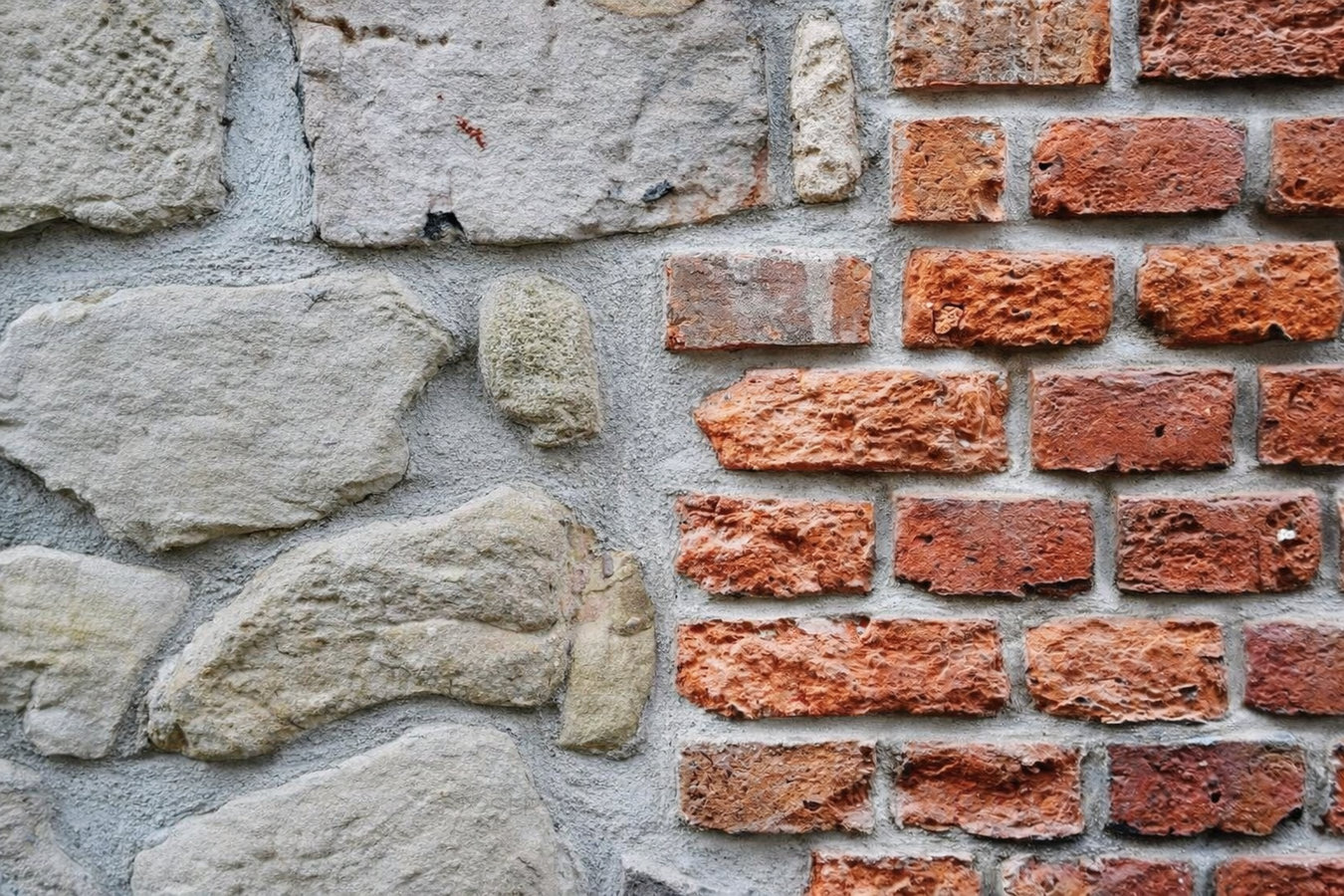
Crumbling mortar, spalled brick, and earthquake cracks do not fix themselves. We restore chimneys, walls, and steps to solid, weather-tight condition.
Masonry restoration in Hayward covers repointing crumbling mortar, patching spalled brick faces, stabilizing cracked walls, and sealing finished surfaces against future moisture. Most residential jobs take one to two days; larger chimneys or retaining walls may run three to five days depending on the extent of the damage.
Many Hayward homeowners come to us after noticing mortar that crumbles when touched, white salt stains spreading across a brick chimney, or a retaining wall that looks slightly out of line. These are not cosmetic issues — they are signs that water has been working its way in for months or years. Catching them early costs far less than waiting for structural damage.
If your home also shows signs of shifting around the base, our foundation repair service is often worth scheduling alongside a restoration assessment.
Run your finger along the joints on your chimney or wall. If the mortar feels sandy, soft, or flakes away, it has broken down and is no longer keeping water out. This is the most common sign that repointing is needed, and catching it early costs far less than replacing bricks later.
Hayward sits on one of the most active fault lines in the country. Even a minor shake can open existing weak spots in mortar joints or cause bricks to shift slightly. A crack that looks cosmetic on the surface can sometimes signal a deeper structural problem worth investigating.
Those chalky streaks are mineral salt pushed to the surface by water moving through the masonry. They are not dangerous on their own, but they reliably signal that moisture is entering somewhere it should not. Left unaddressed, that moisture will eventually break down mortar and the brick itself.
If your retaining wall is no longer straight — if it bows outward or has pulled away from the soil at the base — that is a structural warning, not a cosmetic one. In Hayward's clay-heavy flatland soils, walls can shift gradually as the ground swells and contracts each season. A leaning wall that goes unrepaired can eventually fail.
Our restoration work starts with a thorough assessment of the existing structure. We remove deteriorated mortar cleanly, match the replacement mix to the original material, and pack it in properly so it bonds and cures correctly. For chimneys and garden walls, this is typically straightforward repointing work. For structures that have shifted due to soil movement or seismic activity, we address the underlying cause before repointing, so you are not patching the same crack next season. Once the mortar work is complete, we can apply a water-repellent sealer where it will help rather than harm the masonry.
Homeowners with historic or pre-1960s brick benefit from our mortar analysis process — older brick is softer than modern materials, and using a mix that is too hard will crack the bricks over time rather than protect them. We also handle spall repair, crack stitching on retaining walls, and efflorescence treatment. If the scope of damage points toward related work, we will tell you honestly. Our fireplace installation and stone masonry teams are available when restoration leads to a larger rebuild.
Best for homeowners with crumbling mortar joints on an existing brick chimney, where the brick itself is still sound.
Suited for hillside and flatland properties where walls show cracking, bulging, or joint deterioration from clay soil movement.
Right for homes where the face of individual bricks is chipping or flaking away from moisture cycling and age.
A finishing step for any restored surface where applying a breathable water repellent will extend the life of the repair.
Hayward sits directly on one of the most active earthquake faults in the United States, and a large share of its housing stock was built between the 1940s and 1970s. That combination means most older chimneys, retaining walls, and brick steps have been through decades of seismic stress and weathering without professional attention. The mortar used in that era was softer and more porous than modern mixes, which means it breaks down faster — but it also means a contractor needs to match that softer mix when repointing, or risk cracking the original brick. We have worked on enough Hayward homes to know this from experience, not just a textbook.
The Bay Area marine layer brings cool, damp mornings and dry afternoons for much of the year, and that daily moisture cycle quietly widens small cracks over time. Homeowners in San Leandro and Oakland face similar conditions and often reach us after the spring rainy season reveals how much moisture has been getting into their masonry. For an overview of California seismic hazard zones relevant to masonry work, see the California Geological Survey seismic hazard program.
We reply within one business day. You tell us what you are seeing and where; we ask a few quick questions so the site visit is not wasted time.
We walk the structure with you, tap bricks to check for hollow spots, and assess any signs of water intrusion or movement. You get a plain-language explanation of what we find — no pressure.
You receive a written scope and price before we touch anything. If the work involves a chimney or retaining wall, we will tell you whether a City of Hayward permit is required and handle the filing ourselves.
Most residential jobs are finished in one to two days. We protect nearby plants and surfaces before starting and clean up thoroughly before leaving. After the work, we walk you through the curing period so you know what to avoid for the first 48 hours.
Free written estimate. No obligation. We reply within one business day.
(510) 826-4844Most of our masonry restoration jobs are on properties built between 1940 and 1975 across Hayward's flatland and hillside neighborhoods. We know what the soils, the fault activity, and the marine layer do to brick and mortar in this city, and we factor that into every repair recommendation.
One of the most common complaints after masonry work is new mortar that is a completely different color — making the repair more obvious than the damage was. We take the time to assess and match the existing mix before we start, so the finished work blends in rather than standing out.
For any structural masonry work in Hayward, we pull the required building permit and coordinate the inspection with the City of Hayward Building Division ourselves. You never have to navigate that process, and you get a city-inspected sign-off as a record of the work.
California requires a specific C-29 masonry contractor license for this type of work. You can verify our license number on the California Contractors State License Board website before you hire us. We follow restoration standards set by the International Masonry Institute.
Every one of these points comes down to the same thing: you get a repair that holds, documentation that protects you, and a finished result that looks like it belongs on your home. That is what we show up to deliver on every job in Hayward.
Add a new masonry fireplace or convert an existing one to gas, built to Hayward seismic and air quality standards.
Learn moreNatural stone walls, steps, and features installed by hand for lasting curb appeal and structural performance.
Learn moreEarthquake season and winter rains are always around the corner. Get a free written estimate now and protect your chimney or wall before the next wet season arrives.