
Loading...
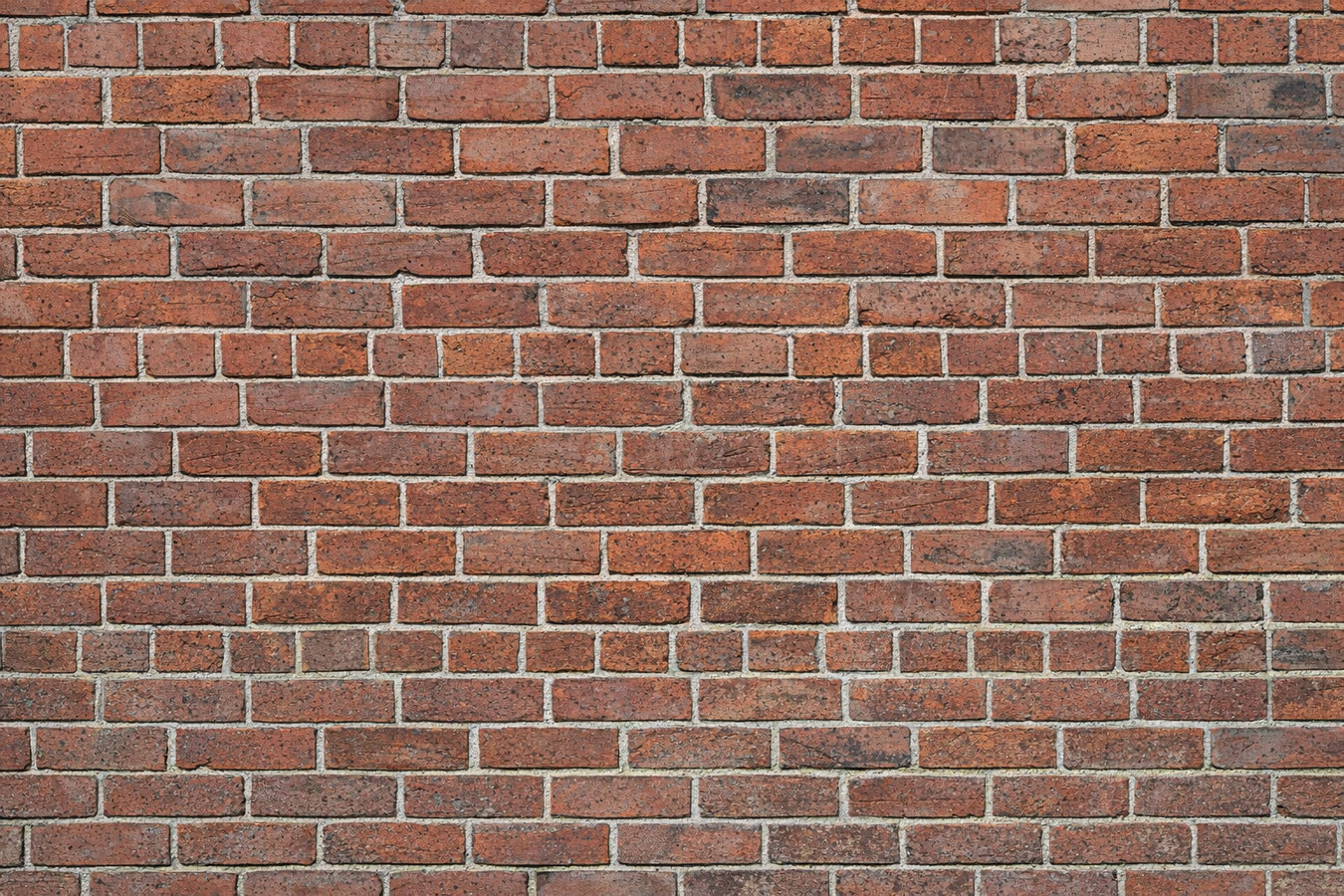
Crumbling mortar lets water in every rainy season. We grind out the old material and repoint your brick and stone so your walls stay solid and dry.
Tuckpointing in Hayward means grinding out deteriorated mortar to a depth of roughly half an inch, then pressing fresh mortar into the cleaned joints - most chimneys take one to two days, and a full exterior wall may take three to five. The mortar between your bricks is the sacrificial element: it wears out before the bricks do so it can be replaced without tearing the wall apart. When those joints fail, water moves in freely - and Hayward's wet winters give it plenty of opportunity to cause damage.
Many homes in Hayward were built in the 1950s and 1960s, when brick chimneys and block walls were common. Mortar from that era is past its useful life in a lot of cases. If your home is older and the joints have not been touched since original construction, they have been absorbing Bay Area rain cycles for decades. The Hayward Fault adds another factor: even minor seismic movement can loosen joints that were already weakened, opening gaps that would otherwise take years to develop. If you also have concerns about the brick itself, our brick repair service addresses spalling, replacement, and structural issues alongside repointing.
Press your thumb firmly into any joint between bricks on your chimney or garden wall. If the mortar feels soft, sandy, or crumbles away with light pressure, it has lost its bond. Healthy mortar feels like pressing on concrete and does not give at all.
Stand back and look at your chimney or brick wall from a few feet away. If you can see dark gaps or sections where mortar is visibly missing between bricks, water is already getting in. In Hayward's rainy winters, those open joints funnel water directly into the wall structure.
Efflorescence - the chalky white residue that appears on brick surfaces - is a sign that water has been moving through the wall and carrying dissolved minerals out. It shows up most often after Hayward's wet season ends in spring, and failing mortar joints are the most common entry point for that moisture.
Hayward sits on an active fault, and even moderate shaking can open or widen mortar joints that were already weakened. If you noticed new cracks in a brick chimney, garden wall, or exterior veneer after any seismic event, that is worth taking seriously. Cracks that run along the mortar joints - rather than through the bricks themselves - are typically a tuckpointing problem, not a structural one.
Tuckpointing is not a single fixed job - the scope depends on what is deteriorating and where. We handle chimney repointing, garden and retaining walls, brick veneer on home exteriors, and concrete block fences. The process is the same in every case: cut out the old material to the right depth, clean the joints, and pack in fresh mortar that matches the strength and color of your existing masonry. We also address the related issue of brick pointing - a term used interchangeably in some contexts - and can assess whether your project is a straightforward repoint or needs more extensive attention.
Getting the mortar mix right is one of the most important parts of the job. Mortar that is too hard will crack your bricks over time - a real concern with older Hayward homes that have softer, lime-based bricks from the 1950s and 1960s. We match the new mix to the existing masonry rather than using a one-size-fits-all blend. If you have visible spalling alongside failing joints, we will walk through whether repairs can address both issues together.
Homeowners with aging brick chimneys showing gaps, crumbling mortar, or post-earthquake cracks.
Properties with brick-clad walls where joints are recessed, missing, or showing white staining.
Homeowners with freestanding block or brick walls where mortar has deteriorated over years of weather exposure.
Older homes where the entire exterior surface has joints that have not been touched since original construction.
Hayward's Mediterranean climate - wet from November through March, dry and warm the rest of the year - puts a specific kind of stress on mortar joints. Each wet season, moisture absorbs into the joints. Each dry summer, they dry out and contract. That annual cycle breaks down the mortar bond faster than in climates with more consistent moisture levels. The practical result is that Hayward homeowners in older neighborhoods like Harder-Tennyson and Cherryland often find their mortar is at or past the end of its useful life, even if the bricks themselves look fine. The Hayward Fault, which runs directly through the city, adds another layer: seismic movement - even minor tremors - can loosen already-weakened joints and open gaps that would otherwise take much longer to develop.
Homeowners in Fremont and San Leandro face similar conditions - older housing stock, expansive clay soils, and the same seasonal moisture cycles. We serve the entire area and schedule tuckpointing work in the spring and early fall, when conditions are ideal for mortar curing.
We respond within 1 business day. We will ask a few basic questions about what you are seeing and where the masonry is located, then schedule a free on-site visit.
We walk the area with you, probe the joint depth, and look for signs of water damage or structural movement. You get a written estimate that describes the scope and cost clearly - no vague totals.
We grind out the deteriorated material to the required depth - typically half an inch to three-quarters of an inch. Joints are vacuumed clean before anything new goes in. This step is what separates lasting work from a surface patch.
Fresh mortar is packed into the prepared joints, tooled to a slight concave profile that sheds water, and color-matched to blend with your existing brick. We clean the wall and walk through the finished work with you before we leave.
We respond within 1 business day. There is no obligation - just a free on-site look at your mortar joints and a clear written estimate. After you submit, someone from our office will call to schedule a convenient time for a free assessment.
(510) 826-4844We test the hardness of your existing masonry and mix new mortar to match. Using mortar that is too hard on older Hayward bricks from the 1950s and 1960s causes cracking - we do not use a one-size-fits-all blend.
Because Hayward sits on an active fault, we look for seismic shift patterns during every chimney assessment - not just surface mortar loss. This means the quote covers what is actually happening, not just what is visible from the ground.
We prioritize tuckpointing jobs in April through October, when mortar cures best in the Bay Area climate. We also track the forecast and will reschedule around rain events at no charge to you.
You receive a written estimate that spells out the scope and cost before a single tool comes out. If we find something unexpected during the job, we talk to you before proceeding - your price does not grow without your knowledge.
The Brick Industry Association recommends inspecting mortar joints every 10 years in climates with wet-dry cycles. In Hayward, where seismic activity adds to the stress on joints, staying current with tuckpointing is one of the most straightforward ways to protect the structural integrity of your home.
When tuckpointing is not enough because bricks themselves are cracked, spalled, or structurally compromised, brick repair addresses the damaged units directly.
Learn moreA close cousin to tuckpointing focused on restoring the mortar joint profile on exterior walls where water shedding has been compromised.
Learn moreHayward's rains start in November - schedule your free tuckpointing estimate now and get the work done while curing conditions are still ideal.