
Brick & Stone Steps Repair & Build
Safe, beautiful brick and stone steps that enhance your home entrance and prevent accidents.
Why Safe Steps Matter for Your Home
Your front steps create the first impression visitors have of your home while serving the critical function of safe entry and exit. When steps become uneven, cracked, or loose, they present serious safety hazards that can lead to trips, falls, and injuries. Beyond safety concerns, damaged steps detract from your home curb appeal and can affect property value. Masonry steps built properly last for decades and require minimal maintenance compared to wood alternatives that rot, warp, and need frequent replacement.
In Hayward, many homes built from the 1950s through 1980s now have original brick or concrete steps showing significant wear. Settlement, weathering, and root growth all contribute to step deterioration over time. Small problems like cracked mortar or slightly loose bricks quickly escalate into major safety issues and expensive repairs if left unaddressed. Getting professional step repair at the first sign of damage protects your family, guests, and mail carriers from preventable accidents while maintaining your home appearance and value. Building codes also have specific requirements for step dimensions, handrails, and construction that we ensure your steps meet.
Common Step Problems and Safety Hazards
Step problems develop gradually but create immediate dangers once they reach certain thresholds. Uneven tread heights are particularly hazardous because your brain expects consistent step dimensions and you can easily misjudge footing. Building codes specify maximum variation in riser heights for this exact reason. Loose or rocking steps signal foundation problems or structural deterioration that will only get worse with continued use. Crumbling edges and broken corners create tripping hazards especially dangerous during dark evenings or when carrying items.
Safety Issues We Address:
- •Uneven or settling steps that create different heights between treads
- •Loose bricks or stones that rock underfoot and become dislodged
- •Cracked or broken treads that catch shoe edges and cause trips
- •Deteriorating mortar joints allowing water infiltration and ice formation
- •Missing or damaged handrails that fail to provide proper support
- •Poor drainage causing water pooling, moss growth, and slippery surfaces
Beyond these obvious problems, we also look for underlying causes like inadequate foundations, soil erosion, or tree roots pushing against step structures. Simply repairing visible damage without addressing root causes leads to recurring problems within months. Our inspection process identifies both symptoms and causes so repairs last and perform safely for years. If you notice any wobbling, cracking, or settlement in your brick steps, schedule an inspection before minor issues become major reconstruction projects.
Building New Steps That Last
When building new steps or completely rebuilding deteriorated ones, proper design and construction determine long-term performance. We start with solid foundations that extend below frost depth and rest on undisturbed or properly compacted soil. The foundation must be sized adequately to support the weight of the masonry structure without settling. We pour reinforced concrete footings and sometimes add steel reinforcement within the steps themselves for maximum strength and crack resistance.
Step dimensions follow building code requirements while accommodating your specific site conditions. Riser heights typically stay between six and eight inches with treads at least ten inches deep for comfortable, safe use. We ensure consistent dimensions throughout the entire flight of steps so every step feels predictable underfoot. Proper pitch on treads allows water to drain off rather than pooling where it can freeze or create slippery conditions. We also integrate proper lighting locations and handrail mounting points during construction rather than trying to add them later.
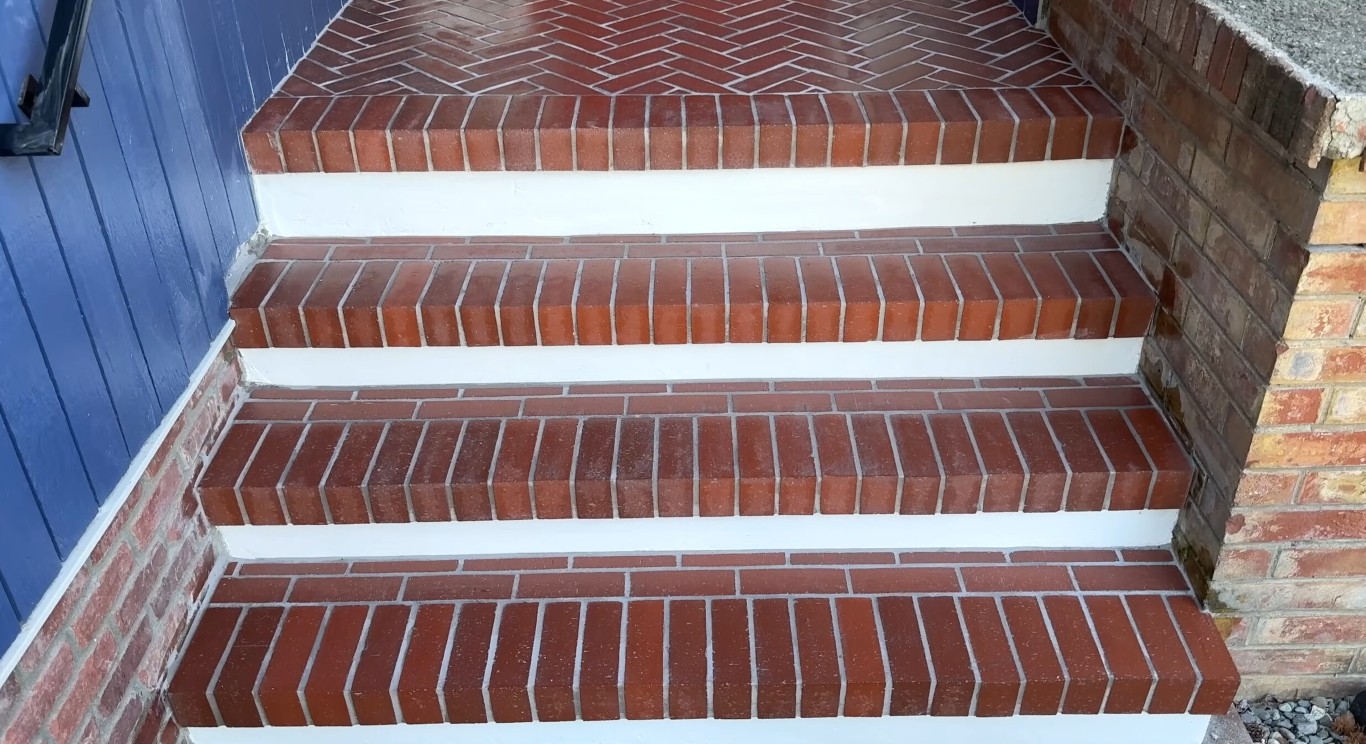
Material selection affects both appearance and safety. Brick steps offer classic beauty and excellent traction even when wet. Natural stone like bluestone or granite provides superior durability and sophisticated looks. We can also combine materials, using brick or stone treads with concrete risers to balance cost and aesthetics. Whatever materials you choose, we install them with proper technique including full mortar beds, correctly sized joints, and appropriate pointing methods. The finished steps integrate seamlessly with your home architecture while providing safe, attractive access for decades to come.
Frequently Asked Questions
Need safe, beautiful steps for your home? Get your free step repair or construction estimate today.
Call (510) 826-4844