
Tuckpointing & Repointing Services
Professional tuckpointing and repointing services to restore mortar joints and protect your masonry investment.
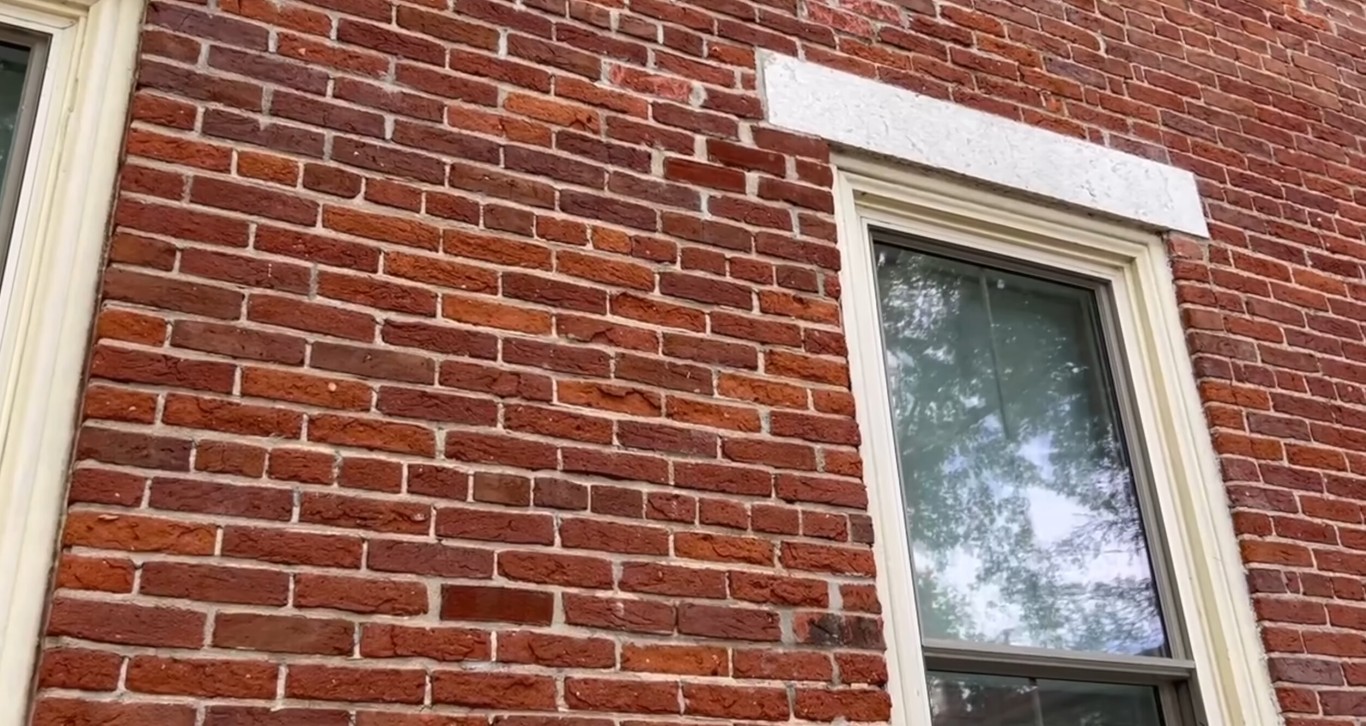
What is Tuckpointing and Why It Matters
Tuckpointing is the process of removing damaged or deteriorating mortar from between bricks and replacing it with new, properly mixed mortar. The name comes from the technique of tucking fresh mortar into joints using specialized tools. Many people use tuckpointing and repointing interchangeably, and while they are very similar, there is a technical difference. Tuckpointing traditionally refers to adding a thin line of contrasting mortar for decorative purposes, while repointing simply means renewing the mortar joints. In practical terms, we assess your needs and recommend the right approach for your specific situation.
Mortar joints do more than hold bricks together. They create a weather barrier that keeps water out of your walls, allow for slight movement without cracking bricks, and maintain structural integrity of your entire wall system. Over time, mortar naturally erodes from exposure to rain, temperature changes, and general weathering. Here in Hayward, our wet winters and dry summers create cycles that accelerate mortar deterioration. When mortar joints recede or crumble, water penetrates deep into your walls where it causes much more serious damage. Getting professional tuckpointing done before this happens protects your entire masonry structure.
Signs Your Mortar Needs Repointing
Catching mortar deterioration early saves you significant money and prevents structural problems. The most obvious sign is when you can see mortar crumbling or falling out of joints. Run your hand along your mortar joints and if material easily comes away as powder or small chunks, repointing is overdue. Another clear indicator is when your mortar joints have receded more than a quarter inch from the face of your bricks. This recession creates pockets where water collects and causes accelerated damage during freeze-thaw cycles.
Common Mortar Problems We Fix:
- •Crumbling or powdery mortar that falls out when touched or disturbed
- •Gaps or voids in mortar joints where material has completely eroded away
- •Cracks running through mortar joints from settling or temperature stress
- •Water stains or dampness appearing on interior walls behind exterior masonry
- •White mineral deposits showing on brick faces near deteriorated joints
- •Loose bricks that can wiggle or move because mortar no longer holds them firmly
Age is also a factor worth considering. Mortar typically lasts 20 to 30 years depending on exposure and original quality. If your home is approaching this age and you have never had repointing done, an inspection makes sense even without visible problems. We can identify early deterioration and schedule work before emergency brick repairs become necessary. Proactive maintenance costs less than waiting for serious damage to develop.
Our Tuckpointing Process and Techniques
Quality tuckpointing requires precision, proper materials, and experienced technique. We start by carefully removing old mortar to a consistent depth, typically three-quarters to one inch into the joint. This depth provides enough space for new mortar to bond properly without being so deep that we risk damaging bricks. We use specialized grinders with dust collection systems to minimize mess, and when working on historic homes, we often remove mortar by hand to protect antique bricks that might break under grinding pressure.
Mixing mortar correctly is where many contractors fail. We test your existing mortar to determine its composition, then create new mortar that matches in strength, color, and texture. Using mortar that is too hard can cause bricks to crack because mortar should be the sacrificial element that erodes before bricks do. We also match the color precisely by custom-mixing pigments and testing samples against your existing joints. After cleaning out old mortar and preparing the joints, we pack new mortar firmly into place, working in stages to ensure proper adhesion and curing.
The finishing step involves tooling the mortar to match your original joint profile. Different eras and styles of construction used different joint profiles, from concave to flush to weathered joints. We recreate the appropriate profile for your home to maintain historical accuracy and proper water shedding. After tooling, mortar needs time to cure properly. We protect fresh work from rain and extreme temperatures, and in some cases return to clean any residual haze from brick faces. The result is masonry work that looks original and will perform well for decades.
Frequently Asked Questions
Ready to restore your mortar joints? Get your free tuckpointing estimate today.
Call (510) 826-4844