
Retaining Wall Design & Installation
Custom retaining wall design and installation to manage slopes, prevent erosion, and create beautiful outdoor spaces.
Why Retaining Walls Are Essential for Your Property
Retaining walls do much more than create visual interest in your landscape. They hold back soil on sloped properties, prevent erosion that can undermine your foundation, and create usable flat spaces where slopes would otherwise limit your options. In areas with elevation changes, retaining walls become essential structures that protect your home and maximize your property potential. Without proper retaining walls, sloped yards suffer from constant erosion, water drainage problems, and limited landscaping possibilities.
Here in Hayward, many properties have natural slopes or terraced yards that require retaining wall support. Our soil composition and rainfall patterns create specific challenges for slope stability. Clay soils expand when wet and contract when dry, putting pressure on retaining structures throughout the year. Properly designed retaining walls account for these local conditions and include drainage systems that channel water away safely. When you invest in professional retaining wall installation, you are protecting your property value and preventing costly erosion damage down the road.
Retaining Wall Materials and Design Options
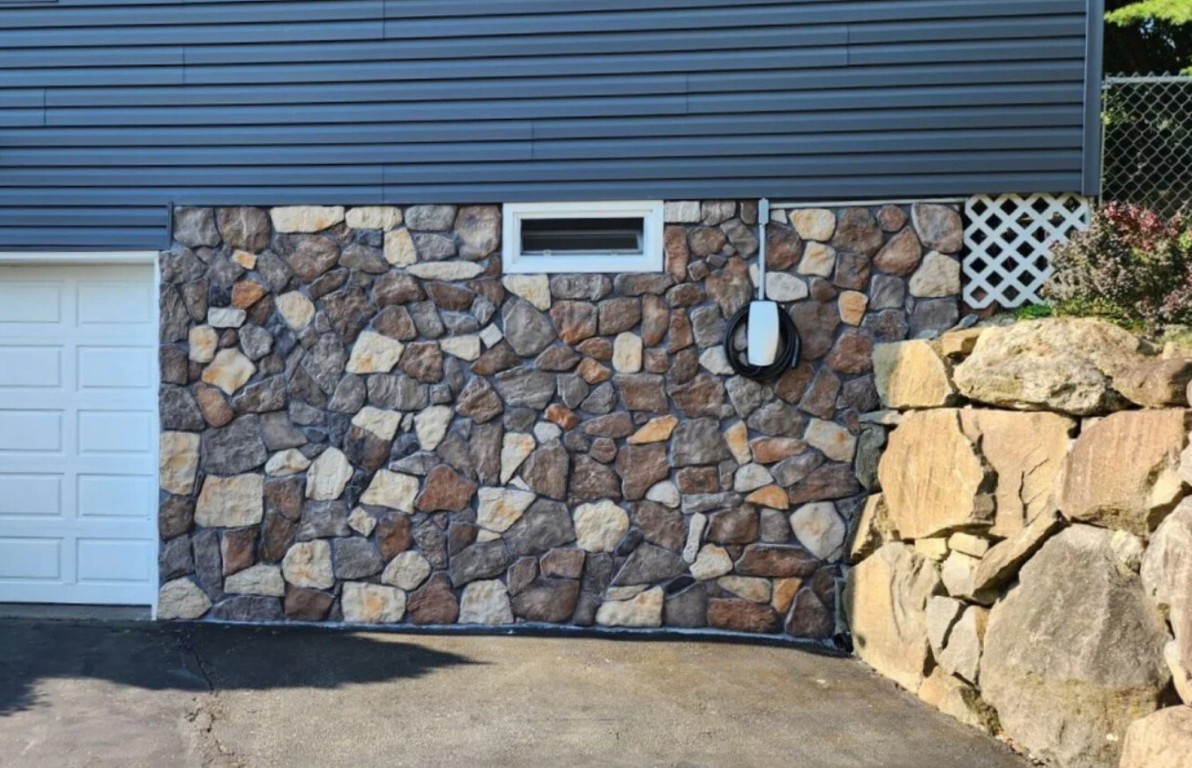
Choosing the right materials for your retaining wall depends on several factors including wall height, soil conditions, drainage requirements, and your aesthetic preferences. Natural stone retaining walls offer timeless beauty and exceptional durability. Fieldstone, limestone, and granite create rustic or elegant looks depending on how they are installed. These walls work especially well for shorter heights and curved designs where the irregular stone shapes create visual interest. Stone walls typically cost more initially but last for generations with minimal maintenance.
Popular Retaining Wall Options:
- •Natural stone walls using fieldstone, limestone, or granite for authentic character
- •Segmental block systems that interlock for strength without requiring mortar
- •Concrete block walls that can be faced with stone veneer for structural strength and beauty
- •Brick retaining walls that match existing home architecture and provide classic appeal
- •Boulder walls using large natural stones for dramatic terracing on steep slopes
- •Poured concrete walls with decorative finishes or facing materials applied
Segmental retaining wall blocks have become popular because they combine durability with relatively easy installation. These engineered blocks come in many colors and textures that mimic natural stone at lower cost. They include built-in setback angles that create stable walls even at significant heights. For taller walls or challenging soil conditions, we often recommend engineered solutions that include reinforcement grids extending back into the soil. These systems can safely handle walls over six feet tall where traditional masonry methods would not provide adequate strength.
The Retaining Wall Installation Process
Successful retaining wall installation starts with proper planning and site preparation. We begin by assessing your slope, soil type, drainage patterns, and any existing structures or utilities. For walls over four feet tall, engineering calculations and permits become necessary to ensure structural safety and code compliance. We work with structural engineers when needed and handle all permit applications. This upfront planning prevents problems and ensures your wall will perform reliably for decades.
Excavation and base preparation are critical steps that determine long-term stability. We excavate to proper depth, compact the subgrade thoroughly, and install gravel base material that provides drainage and prevents settling. The base course of your wall must be perfectly level and positioned correctly because every course above depends on this foundation. We install drainage systems including perforated pipes and gravel backfill that channel water away from behind the wall. Without adequate drainage, water pressure builds up and eventually pushes walls over no matter how well they were built.
As we build up your wall, we check alignment and level continuously to maintain proper positioning. Backfilling happens in stages with proper compaction at each level. We cap the top of your wall to prevent water infiltration and finish surrounding areas so everything integrates smoothly with your landscape. The finished wall should look like it has always been part of your property. If you are planning patio construction or other hardscaping near your retaining wall, we coordinate these elements so they work together both functionally and aesthetically.
Frequently Asked Questions
Ready to design and install your retaining wall? Schedule your free consultation and estimate today.
Call (510) 826-4844